Swap SOL to USDT instantly.
Convert Solana (SOL) to Tether (USDT) in seconds with Ramp Network. The exchange is simple, direct, and secure, without bridges, DEX interactions, or any hidden steps.
Swapping Solana (SOL) for Tether (USDT) with Ramp Network is quick, secure, and easy to follow.

1
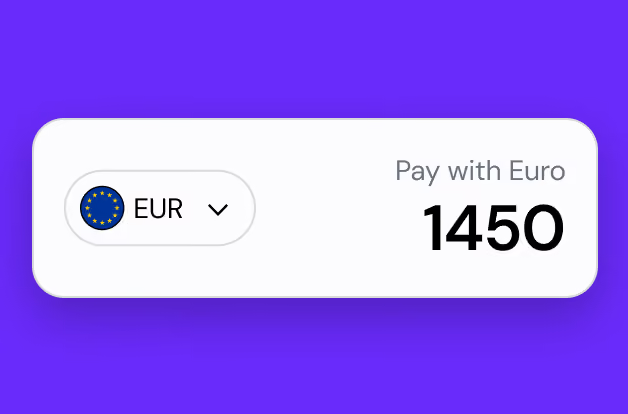
Choose Solana (SOL) and Tether (USDT), enter how much you want to swap, and review the live rate before moving forward.

2
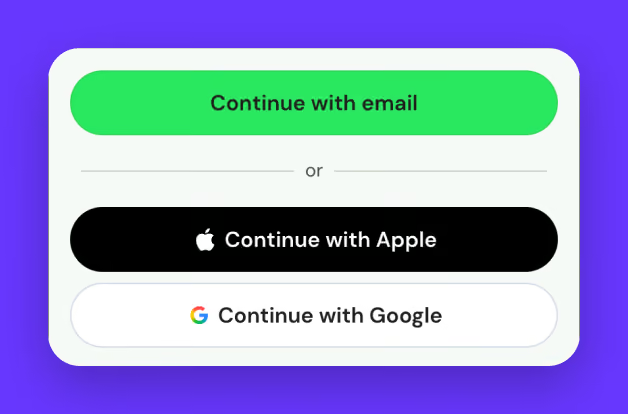
Sign up using your preferred method and confirm your country of residence to continue.

3
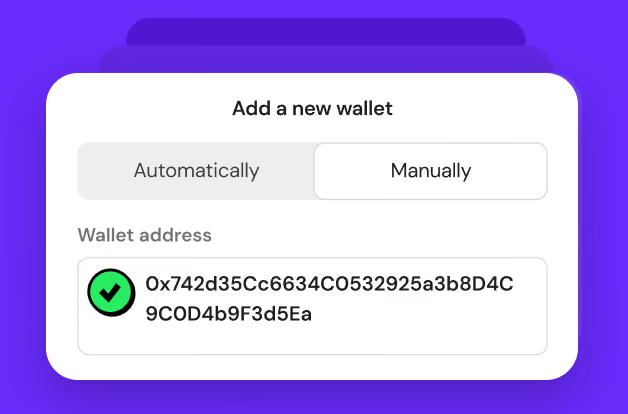
Ramp Network supports self-custodial wallets like Phantom, Ledger, and other Solana-compatible wallets, as well as custodial exchange accounts.

4
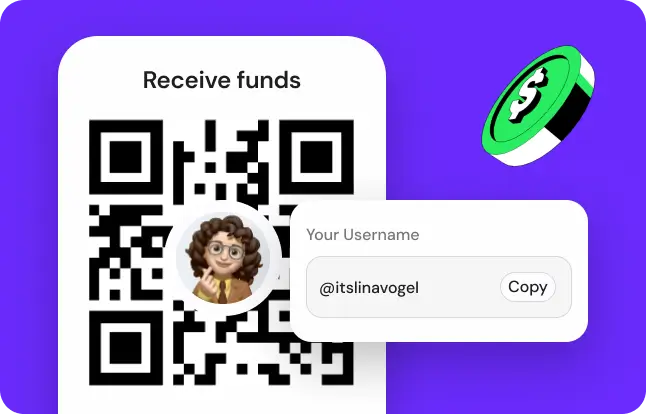
Transfer SOL from your wallet. After the transaction is confirmed on the Solana blockchain, the equivalent amount of USDT is delivered straight to the wallet or exchange account you selected.

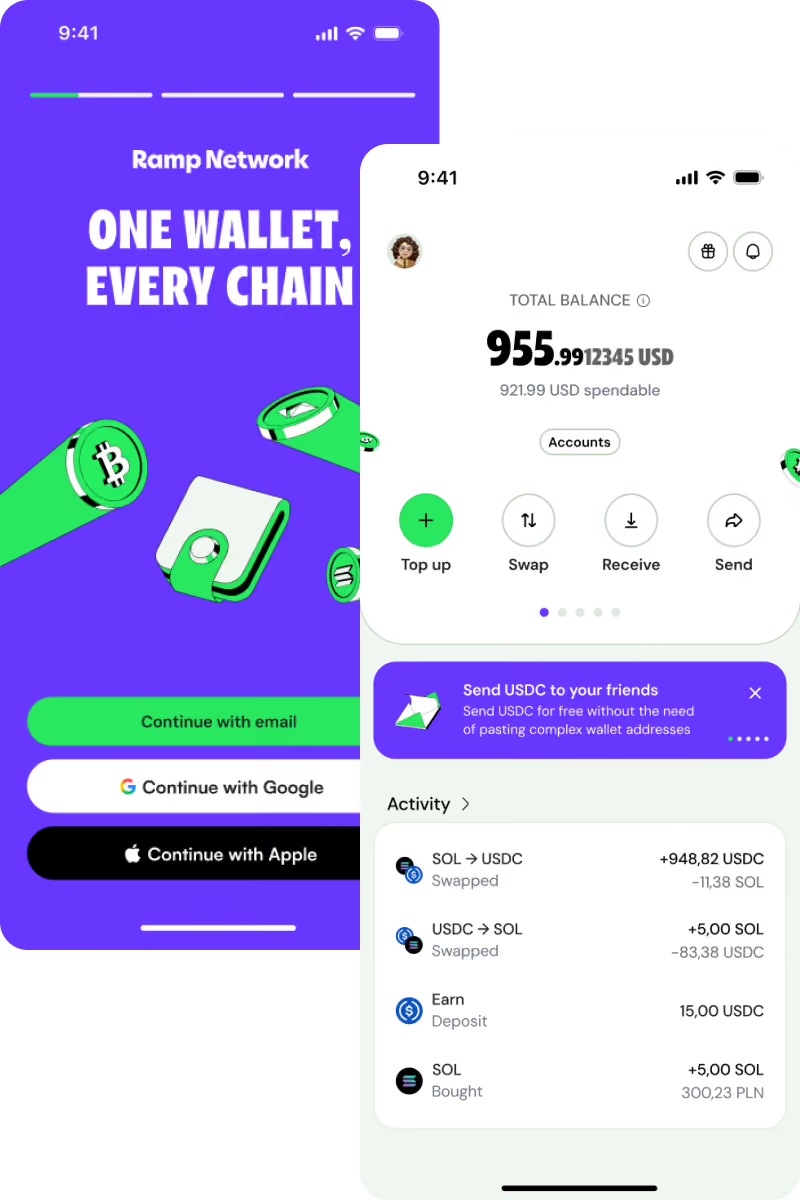
Ramp Network works with both self-custodial wallets like Phantom and Ledger, as well as custodial exchange accounts. To swap Solana for USDT, you just connect your wallet, review the details, and confirm the trade. No extra steps.

The flow stays clean and easy to follow. Ramp Network removes unnecessary blockchain terminology so even first-time users can complete a Solana to USDT swap without confusion.
You stay in full control of your assets at all times. SOL is sent directly from your wallet, and USDT is delivered straight to the wallet or exchange account you choose. Ramp Network never holds user funds beyond what’s required to process the swap.
Ramp Network supports users across major regions including the US, EU, and UK. Supported networks and assets are shown clearly during checkout.

Before completing your Solana to USDT swap, you’ll see a full summary of the transaction – live rates, fees, and final amounts – so you always know exactly what to expect.
*When compared to transferring via an exchange
Solana appeared not that long ago, but it quickly turned into one of the chains people actually use day to day. The idea behind it wasn’t to copy Ethereum or Bitcoin. Instead, the team built a system that could handle a huge number of transactions without slowing down or making fees painful. Because of that, Solana feels fast in a way most blockchains simply don’t.
A lot of apps picked it up early. NFT projects, trading tools, games, and all sorts of experiments moved there because transactions settle almost immediately and barely cost anything. For users, it means you don’t have to think twice before making a transfer or interacting with an app.
SOL is the token that keeps everything running. It pays for transactions, it’s used in staking, and it supports the validators that secure the network. Over time the ecosystem grew around tools like Phantom and several high-throughput DeFi protocols, which made Solana even more active.
Solana’s main appeal is practical. If you want a network that feels quick and doesn’t punish you with fees, SOL is what makes that possible.
Bitcoin (BTC) is the world’s first cryptocurrency, launched in 2009 by the mysterious creator known as Satoshi Nakamoto. Built on blockchain technology, Bitcoin introduced a new way of transferring value online without the need for banks or intermediaries. Its decentralized nature, combined with a fixed supply of 21 million coins, makes it a unique digital asset often referred to as “digital gold.”
Today, Bitcoin is the most recognized and widely used cryptocurrency worldwide. Millions of people use it for trading, investing, and cross-border payments, while businesses across industries accept Bitcoin payments as a secure and transparent alternative to traditional money. Its popularity continues to grow, supported by increasing adoption from financial institutions, mainstream investors, and even governments exploring Bitcoin regulation.
What makes Bitcoin special is its combination of scarcity, security, and decentralization. Unlike fiat currencies that can be printed endlessly, Bitcoin’s supply is limited, creating long-term value potential. Its blockchain is maintained by thousands of nodes across the globe, ensuring transactions remain transparent and resistant to censorship. For many users, Bitcoin represents more than just an investment — it’s a revolutionary step toward financial freedom and the future of money.
The chart displays an indicative, mid-market exchange rate. Effective exchange rate might be different.
USDT is one of those tokens almost everyone in crypto has used at some point. It’s a stablecoin that tracks the US dollar, so one USDT aims to equal one dollar. Traders and regular users rely on it when they don’t want price swings but still need something they can move around on-chain.
It works across many networks, which is one of the reasons it’s everywhere. On Solana, for example, USDT transfers are cheap and fast, making it useful for swaps, payments, and anything that needs quick settlement. Most wallets and platforms support it by default, so you rarely run into compatibility issues.
People use USDT to move money between exchanges, to access DeFi apps, or simply to sit in a stable asset during market volatility. It’s a straightforward tool and that’s exactly why it became such a core part of crypto.

Bitcoin (BTC) is the world’s first cryptocurrency, launched in 2009 by the mysterious creator known as Satoshi Nakamoto. Built on blockchain technology, Bitcoin introduced a new way of transferring value online without the need for banks or intermediaries. Its decentralized nature, combined with a fixed supply of 21 million coins, makes it a unique digital asset often referred to as “digital gold.”
Today, Bitcoin is the most recognized and widely used cryptocurrency worldwide. Millions of people use it for trading, investing, and cross-border payments, while businesses across industries accept Bitcoin payments as a secure and transparent alternative to traditional money. Its popularity continues to grow, supported by increasing adoption from financial institutions, mainstream investors, and even governments exploring Bitcoin regulation.
What makes Bitcoin special is its combination of scarcity, security, and decentralization. Unlike fiat currencies that can be printed endlessly, Bitcoin’s supply is limited, creating long-term value potential. Its blockchain is maintained by thousands of nodes across the globe, ensuring transactions remain transparent and resistant to censorship. For many users, Bitcoin represents more than just an investment — it’s a revolutionary step toward financial freedom and the future of money.
The chart displays an indicative, mid-market exchange rate. Effective exchange rate might be different.
Customers like you have traded over $1 billion in crypto with Ramp Network.